
Hotel Tableware
Supply for
Hospitality Projects
Commercial Hospitality Tableware Procurement
That Balances Brand Standards,
Operational Performance, and Long-Term Value
OSE Project Supply supports hotels, resorts, restaurants,
and mixed-use developments with independent tableware
specification guidance, supplier evaluation, global sourcing,
and complete project supply.
Why Commercial Hotel Tableware Selection Matters
Tableware is one of the most visible elements of every hospitality operation. It influences guest perception, service efficiency, operational durability, replacement planning, and the consistency of a property’s brand experience.
Strategic procurement aligns sourcing decisions with the operational model of the property, brand positioning, commercial objectives, opening programmes, and long-term asset performance. Instead of evaluating products in isolation, it considers how every OS&E category contributes to the success of the overall hospitality operation.
Selecting hotel tableware is therefore far more than choosing plates, glassware, or cutlery. Every decision should consider commercial performance, food and beverage concepts, expected usage volumes, replacement availability, lifecycle cost, supplier reliability, and operational practicality.
While guests primarily notice appearance and presentation, hospitality operators experience the long-term impact through durability, replacement frequency, storage efficiency, handling requirements, food presentation, and operating costs.
Poor procurement decisions can lead to inconsistent collections, unnecessary breakage, expensive replacement programmes, supplier dependency, and avoidable operational disruption.
OSE PROJECT SUPPLY
The most successful hospitality projects do not choose tableware because it looks attractive. They choose tableware because it performs consistently throughout thousands of service cycles while supporting the operational and commercial objectives of the property.
What Is Included in
Commercial Hotel Tableware?
Commercial hotel tableware extends far beyond plates and cutlery.
Every food and beverage outlet within a hospitality property requires
a carefully selected combination of tabletop products designed to
support operational workflows, service style, menu presentation,
and long-term durability.
The exact specification depends on the hotel’s positioning,
dining concepts, guest profile, operational volume, and brand standards.
A fine dining restaurant, an all-day dining venue, a poolside outlet, and a
banquet operation may all require different tableware collections while
maintaining a consistent brand identity across the property.
Rather than selecting products individually, hospitality projects benefit from evaluating complete tableware systems that combine functionality, aesthetics, replacement continuity, operational suitability, and commercial performance.
Dinnerware & Chinaware
Dinner plates, side plates, bowls, cups, saucers, pasta plates, specialty dishes, and coordinated serving pieces for restaurant and hotel dining operations.
Glassware
Water glasses, wine glasses, champagne glasses, beverage glasses, tumblers, and other dining glassware selected according to outlet concept, service requirements, and replacement strategy.
Cutlery & Flatware
Table knives, forks, spoons, dessert cutlery, steak knives, teaspoons, and coordinated serving pieces designed for commercial hospitality use.
Serving Ware
Platters, serving bowls, presentation dishes, sharing plates, trays, and tabletop serving pieces used across restaurant, banquet, room service, and specialty dining concepts.
Tabletop Accessories
Salt and pepper mills, condiment holders, table numbers, bread baskets, menu accessories, and other tabletop items that support service presentation and operational consistency.
Each tableware category should be evaluated not only for appearance but also for durability, handling, storage efficiency, stock continuity, replacement availability, and suitability for the operational environment in which it will be used.
Matching Tableware to Different Hospitality Outlets
Different hospitality outlets place very different demands on tableware. Service style, menu presentation, operating volume, handling requirements, storage conditions, and guest expectations all influence the most suitable specification.
Applying the same tableware collection across every outlet may simplify purchasing, but it rarely delivers the best operational or commercial result. A more effective approach is to align each outlet with the level of durability, presentation quality, replacement flexibility, and investment that its operation actually requires.
All-Day Dining
High-volume outlets require durable, stackable, dishwasher-compatible tableware with strong replacement continuity and practical handling characteristics.
Fine Dining
Fine dining specifications prioritise presentation quality, refined materials, distinctive design, brand alignment, and consistency with the restaurant concept.
Breakfast
Breakfast operations benefit from durable, versatile collections that support buffet service, frequent handling, rapid table turnover, and high daily usage volumes.
Banquet & Events
Banquet tableware requires large-volume standardisation, efficient storage, reliable replacement availability, and specifications suitable for repeated handling and event turnover.
Room Service
Room service tableware should combine presentation quality with practical tray dimensions, weight control, transport stability, and easy handling by service teams.
Pool & Outdoor
Outdoor outlets may require lightweight, breakage-resistant, and operationally safer materials while maintaining an appropriate level of presentation and brand consistency.
Executive Lounge
Executive lounges typically require a more premium presentation than high-volume outlets while retaining operational simplicity, durability, and replacement continuity.
Specialty Restaurants
Specialty concepts may require distinctive shapes, finishes, materials, or presentation pieces that reinforce the restaurant identity while remaining suitable for commercial hospitality use.
The objective is not to specify the most premium tableware in every outlet.
The objective is to allocate the right level of specification and investment to each operating environment.
Commercial Tableware Selection Criteria
The appearance of tableware is only one part of the procurement decision.
Hospitality teams should evaluate every collection against operational, commercial, and lifecycle criteria before supplier selection.
| Evaluation Criteria | Why It Matters |
|---|---|
| Durability | Reduces breakage, replacement frequency, and lifecycle cost. |
| Brand Compatibility | Maintains visual consistency across food and beverage outlets. |
| Replacement Availability | Ensures matching products remain available after opening. |
| Supplier Reliability | Supports consistent quality, lead times, and long-term supply continuity. |
| Total Cost of Ownership | Evaluates lifetime value rather than purchase price alone. |
| Operational Suitability | Matches service style, menu presentation, storage, handling, and dishwasher requirements. |
| Logistics & Lead Time | Reduces project delays and simplifies international sourcing. |
Selecting tableware using these criteria helps procurement teams move beyond aesthetic preferences and make commercially informed decisions that support operational performance, budget alignment, and long-term asset value.
Choosing the Right Tableware Material
Material selection affects durability, handling, presentation, replacement cost, and long-term operational performance.
The right specification depends on where the tableware will be used, how frequently it will be handled, and the level of presentation required.

Porcelain
A balanced commercial choice for most hospitality operations, combining refined presentation with practical durability.

Melamine
A lightweight, breakage-resistant option for outdoor service and operational areas where durability is the priority.
| Evaluation Factor | Porcelain | Melamine |
|---|---|---|
| Commercial Durability | High | Very High |
| Weight | Medium | Light |
| Premium Presentation | High | Medium |
| High-Volume Suitability | Excellent | Excellent |
| Fine Dining Suitability | Excellent | Limited |
| Outdoor Suitability | Selective | Excellent |
| Replacement Practicality | Generally High | Generally High |
| Typical Procurement Role | Core Hospitality Specification | Breakage-Resistant / Outdoor Specification |
OSE Perspective
The right material is not necessarily the most premium one.
It is the material that best matches the outlet’s operating conditions, presentation requirements, replacement strategy, and lifecycle cost.
Brand Selection
Methodology
Rather than promoting specific manufacturers,
OSE Project Supply helps clients identify
the most suitable tableware solutions
based on operational requirements,
project budgets, brand standards,
and long-term ownership value.
01
Operational Fit
Does the collection suit the service style, usage intensity, handling requirements, and operational environment?
02
Brand Positioning
Does the brand and collection support the property’s positioning, design intent, and guest experience?
03
Commercial Benchmarking
How does the proposed solution compare in purchase cost, specification level, supplier terms, and overall commercial value?
04
Replacement Availability
Can matching products be sourced consistently after opening, and is the collection likely to remain commercially available?
05
Regional Supply Support
Can the supplier support the project market with practical lead times, logistics, documentation, and replacement supply?
06
Lifecycle Value
Does the solution balance durability, replacement frequency, operating cost, and total cost of ownership?
07
BOQ Standardisation
Can brands and collections be rationalised across outlets to reduce unnecessary complexity and improve procurement efficiency?
OSE Perspective
The objective is not to specify the most recognised brand.
The objective is to identify the supplier and collection that deliver the strongest combination of operational suitability, commercial value, supply continuity, and long-term performance.
Tableware Cost Optimization & Value Engineering
Effective tableware cost optimization is not simply about reducing unit prices. It is about allocating the project budget where presentation, performance, and durability create the greatest operational value.
Applying the same specification level across every food and beverage outlet can result in unnecessary investment in some areas while creating operational limitations in others. A value-engineered approach evaluates each outlet individually and aligns product specification with service intensity, guest expectations, replacement risk, and lifecycle requirements.
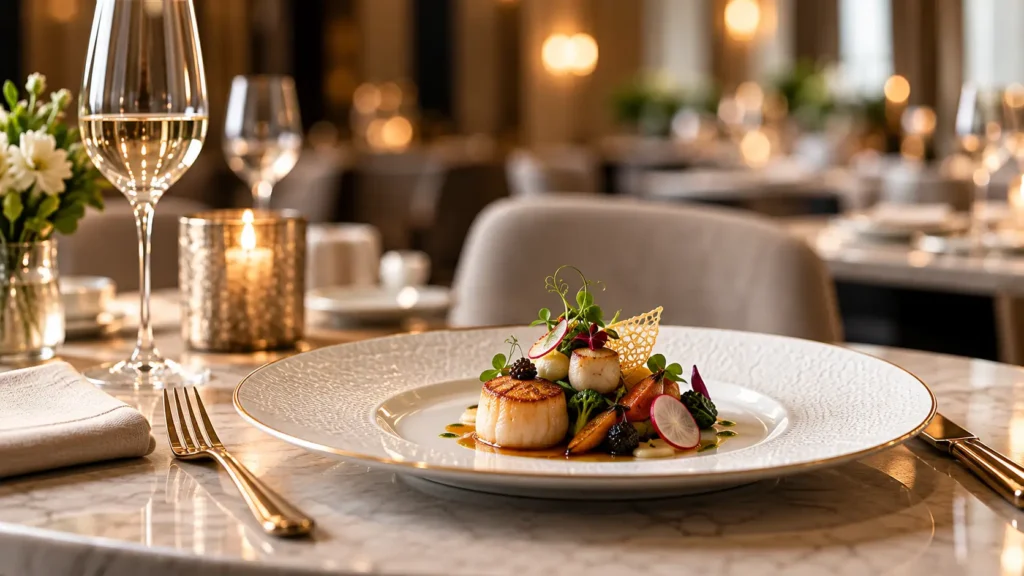
Fine Dining
Premium tableware may be justified where distinctive presentation, design quality, and guest experience directly support the restaurant concept.
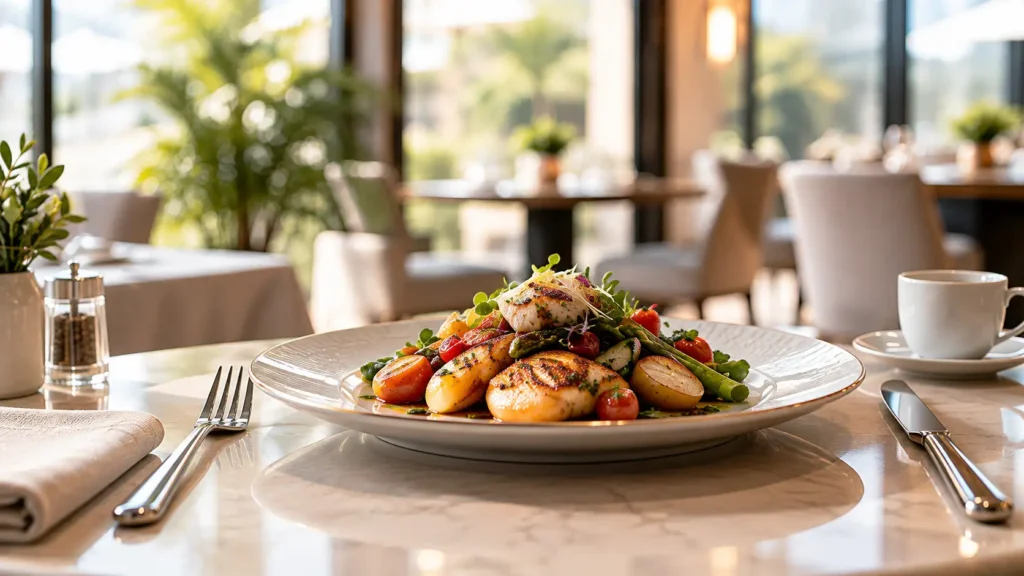
All-Day Dining
High-volume operations benefit from commercially durable collections with practical handling, dishwasher compatibility, and reliable replacement availability.
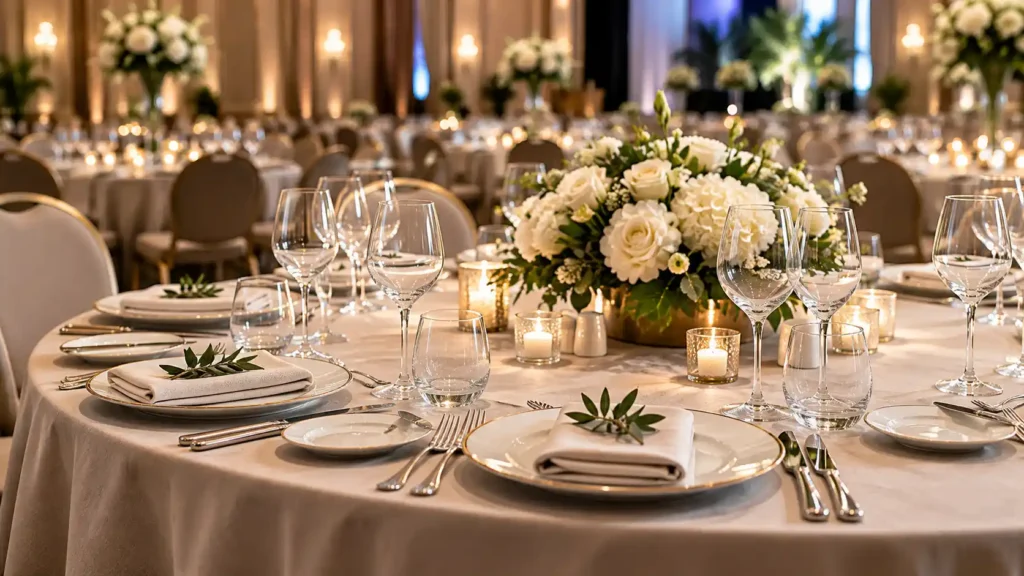
Banquet & Events
Large quantities make unit cost, stackability, storage efficiency, collection standardisation, and replacement economics particularly important.
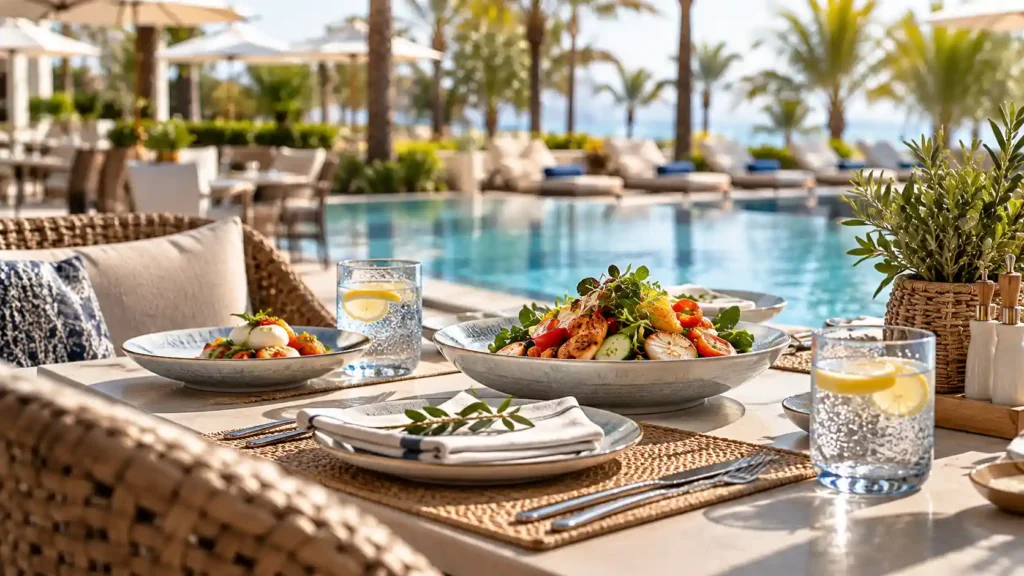
Pool & Outdoor
Lightweight and breakage-resistant solutions can reduce operational losses while improving practicality in outdoor service environments.
Where Tableware Procurement Can Be Optimized
OSE Perspective
Value engineering does not mean lowering the quality of the tableware programme.
It means investing at the right level, in the right outlet, for the right operational reason.
Match specification levels to individual outlet requirements
Avoid unnecessary premium specifications in high-volume operational areas
Standardise collections where operationally practical
Reduce excessive brand and supplier fragmentation
Evaluate replacement cost alongside initial purchase price
Consider durability and expected breakage over the operating lifecycle
Consolidate procurement where it improves commercial leverage and logistics efficiency
Common Tableware Procurement Mistakes
Tableware procurement problems often begin long before purchasing. Poor specification decisions, fragmented supplier selection, inadequate quantity planning, and limited consideration of replacement requirements can create unnecessary cost and operational disruption after opening.
Identifying these risks early helps hospitality teams protect budget, simplify operations, and improve long-term supply continuity.
01
Selecting Primarily on Appearance
A visually attractive collection may not be suitable for intensive commercial use. Durability, handling, dishwasher compatibility, stackability, and replacement availability should be evaluated alongside design.
02
Over-Specifying Every Outlet
Using premium specifications across every dining environment can increase project cost without creating equivalent operational or guest-experience value.
03
Ignoring Replacement Continuity
Collections that are difficult to replenish after opening can lead to mismatched tableware, supplier dependency, and costly re-specification.
04
Excessive Brand Fragmentation
Using too many brands and collections increases procurement complexity, replacement requirements, supplier coordination, and stock management.
05
Poor Quantity Planning
Incorrect par levels and insufficient allowance for breakage, washing cycles, banquet turnover, and replacement stock can disrupt daily operations.
06
Ignoring Operational Compatibility
Tableware should be compatible with storage systems, dishwashing processes, service equipment, tray dimensions, and the handling realities of each outlet.
07
Focusing Only on Purchase Price
The lowest initial unit price may not deliver the lowest long-term cost when durability, breakage, replacement frequency, and supply continuity are considered.
08
Ordering Too Late
Late tableware procurement can limit collection availability, reduce supplier options, increase freight pressure, and create unnecessary risk before hotel opening.
OSE Perspective
Most tableware procurement problems are easier and less expensive to solve before the purchase order is issued.
Early BOQ review, specification validation, supplier evaluation, and replacement planning can prevent many of the operational and commercial issues that appear after opening.
OSE Tableware Procurement Framework
OSE Project Supply helps hotel owners, developers, operators, consultants, and procurement teams source commercial tableware through a structured procurement approach. From luxury hotels and resorts to restaurants, banquet facilities, and mixed-use developments, we support projects with independent specification guidance, supplier evaluation, global sourcing, and complete tableware supply.
Our role begins before purchasing. We review project requirements, analyse BOQs, validate specifications, compare supplier alternatives, and identify opportunities to improve commercial value while protecting operational performance and brand standards.
01
BOQ Review
Review quantities, specifications, outlet requirements, brand references, and potential gaps before supplier selection begins.
02
Outlet Analysis
Evaluate the operational requirements of each restaurant, bar, banquet, room service, and guest-facing environment.
03
Specification Validation
Confirm that proposed products are suitable for expected usage, handling, washing, storage, presentation, and replacement requirements.
04
Brand & Supplier Evaluation
Assess suitable manufacturers and suppliers based on commercial value, quality, supply continuity, project requirements, and regional support.
05
Commercial Benchmarking
Compare alternative solutions, supplier terms, specification levels, lifecycle implications, and value-engineering opportunities.
06
Sample & Specification Approval
Coordinate product samples and technical reviews where required to confirm presentation, quality, functionality, and operator acceptance before purchasing.
07
Procurement & Supplier Coordination
Manage purchasing, supplier communication, production follow-up, order consolidation, and documentation across the approved tableware package.
08
Logistics & Delivery Coordination
Coordinate shipment planning, consolidation, documentation, and delivery schedules in line with project and opening requirements.
OSE Perspective
The objective is not to purchase more tableware.
The objective is to purchase the right tableware, from the right suppliers, at the right commercial value, while protecting long-term operational continuity.
This procurement-first approach enables hospitality teams to reduce commercial risk while creating a coordinated tableware programme that remains practical, consistent, and commercially sustainable throughout the operational life of the property.
Tableware Procurement Checklist
Before approving a hotel tableware package, procurement teams should confirm that the specification supports both immediate project requirements and long-term operational continuity.
Are tableware specifications aligned with each outlet’s service style and operational volume?
Are durability, dishwasher compatibility, stackability, and handling requirements validated?
Is replacement availability confirmed for key collections?
Are brands and collections standardised where operationally practical?
Have initial purchase price and lifecycle cost both been evaluated?
Are quantities based on realistic par levels, breakage allowance, and replacement stock?
Are lead times, regional availability, logistics, and opening schedules aligned?
Have product samples or approvals been completed where required?
OSE Perspective
A structured checklist reduces the risk of incomplete specifications, unnecessary variation, delayed replacement supply, and avoidable procurement cost.
Global Tableware Procurement for Hospitality Projects
International hospitality projects require more than selecting suitable products. Supplier location, regional availability, production lead times, freight planning, import requirements, and replacement continuity can all influence the commercial success of a tableware programme.
OSE Project Supply coordinates tableware sourcing for hospitality projects across multiple markets, helping clients balance product suitability with practical supply, logistics, and long-term procurement requirements.
01
Regional Availability
Prioritise collections that can be supplied and replenished efficiently within the project region, particularly where long-term replacement continuity is critical.
02
Lead Time Planning
Align product selection, production schedules, approvals, and shipment timing with the project programme and hotel opening date.
03
Supplier Consolidation
Where commercially practical, consolidate compatible product categories and suppliers to reduce procurement complexity and improve shipment efficiency.
04
Freight & Logistics Efficiency
Evaluate shipment volumes, packaging, consolidation opportunities, and transport methods as part of the procurement decision rather than after purchasing.
05
Documentation & Import Coordination
Ensure commercial documents, packing information, product data, and shipment documentation are coordinated according to project and destination requirements.
06
Replacement Strategy
Consider how replacement stock will be sourced after opening, particularly for remote resorts, island destinations, and markets with longer import lead times.
OSE Perspective
A successful international tableware programme is not defined only by what arrives before opening.
It is defined by how efficiently the products can be sourced, delivered, replenished, and supported throughout the operational life of the property.
Related Hospitality Procurement Solutions
Tableware procurement is most effective when it is coordinated with the wider hospitality procurement strategy. Depending on the project stage and scope, the following OSE solutions may also support specification, sourcing, cost control, and project delivery.
01
Hotel OS&E Procurement Services
End-to-end procurement support for hotel and resort OS&E packages, from specification review and sourcing through purchasing, coordination, and delivery.
Explore Solution →
02
Strategic Procurement Consulting
Independent procurement planning, supplier evaluation, sourcing strategy, and commercial decision support for hospitality projects.
Explore Solution →
03
BOQ Procurement & Cost Optimization
Review BOQs, validate specifications, identify cost-saving opportunities, and improve procurement efficiency without compromising operational requirements.
Explore Solution →
04
Brand Integration & Approved Supplier Management
Align product selections with hotel brand standards, operator requirements, and approved supplier frameworks.
Explore Solution →
05
Global Procurement & Logistics Coordination
Coordinate international sourcing, supplier follow-up, shipment consolidation, documentation, and delivery planning across project markets.
Explore Solution →
06
Hotel Pre-Opening OS&E Programs
Plan and coordinate OS&E procurement packages around opening schedules, operational readiness, approvals, and delivery requirements.
Explore Solution →
These solutions can be engaged individually or combined as part of a wider hospitality procurement programme.
Frequently Asked Questions
Explore the most common questions hospitality teams ask when planning, specifying, sourcing, and managing hotel tableware programmes.
PROCUREMENT INSIGHT
The strongest tableware programmes are built around long-term availability, operational suitability, and replacement continuity—not initial purchase price alone.
Build Your Hotel Tableware Procurement Strategy with Confidence
Whether you are developing a luxury hotel, opening a restaurant, renovating an existing property, or reviewing a hospitality BOQ, OSE Project Supply combines procurement expertise with global tableware sourcing to help you make informed decisions from specification through delivery.
Send your tableware BOQ or specification list for an independent review and identify opportunities to improve specification, sourcing, and procurement value before purchasing begins.
Discuss your project with our procurement team and explore the most suitable tableware strategy for your operational, commercial, and brand requirements.
Explore Our OS&E Categories →
Independent specification guidance. Global sourcing. Project-focused procurement.